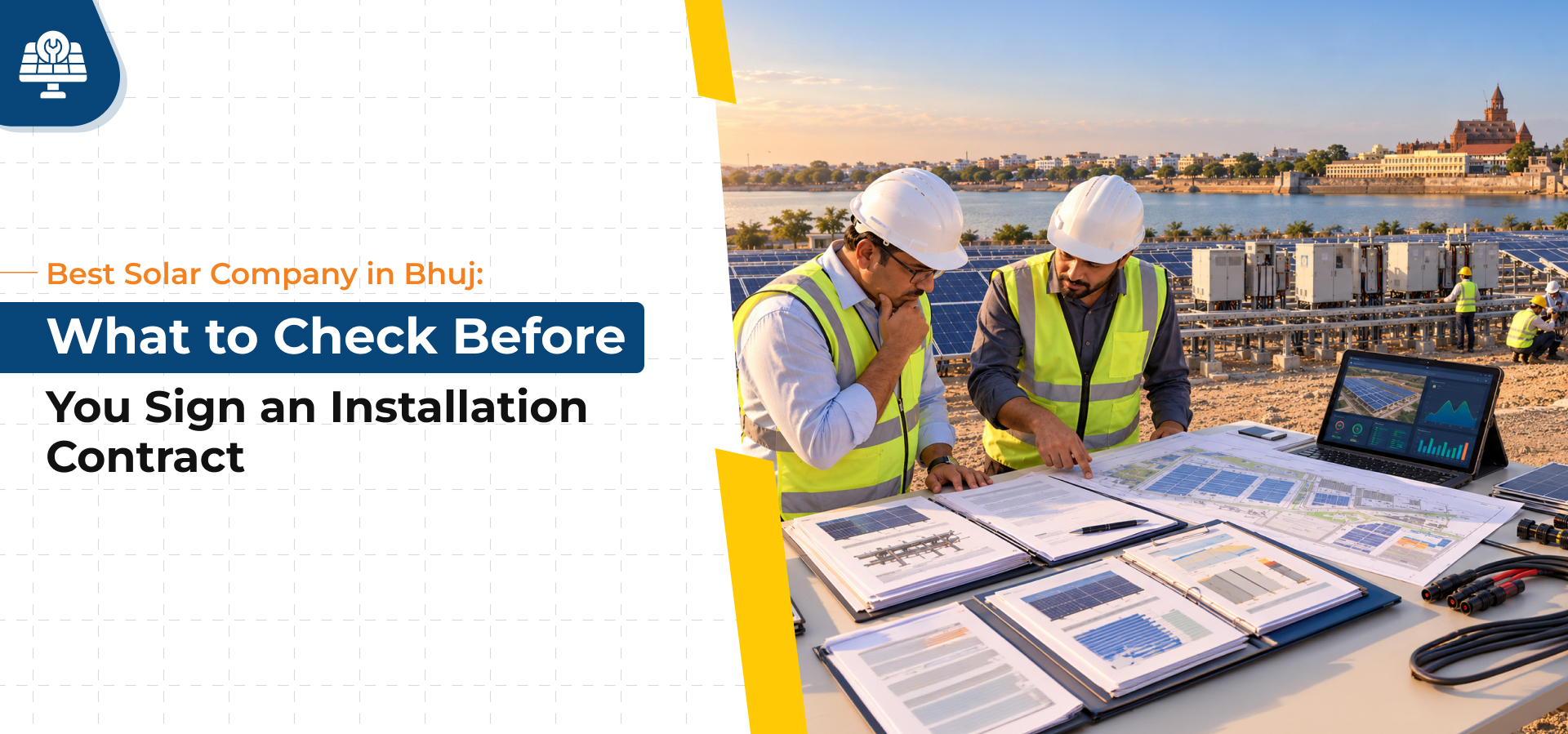
Bhuj sits in one of the sunniest pockets of India, and that's no small advantage if you're thinking about solar. But strong irradiance doesn't automatically translate into a good investment. The actual return a solar system delivers, whether it's a rooftop array on a home in Mundra Road or a larger commercial installation near the industrial belt, depends almost entirely on who installs it, how it's engineered, and what happens after the panels go up. If you're searching for the best solar company in Bhuj, the real question isn't which company has the flashiest website. It's which one will still be answering your calls in year twelve when a warranty claim needs filing.
This guide walks through exactly what to check before signing a contract with any installer, what separates a genuinely reliable provider from one that just looks reliable on paper, and what Bhuj's specific climate and infrastructure mean for your decision.
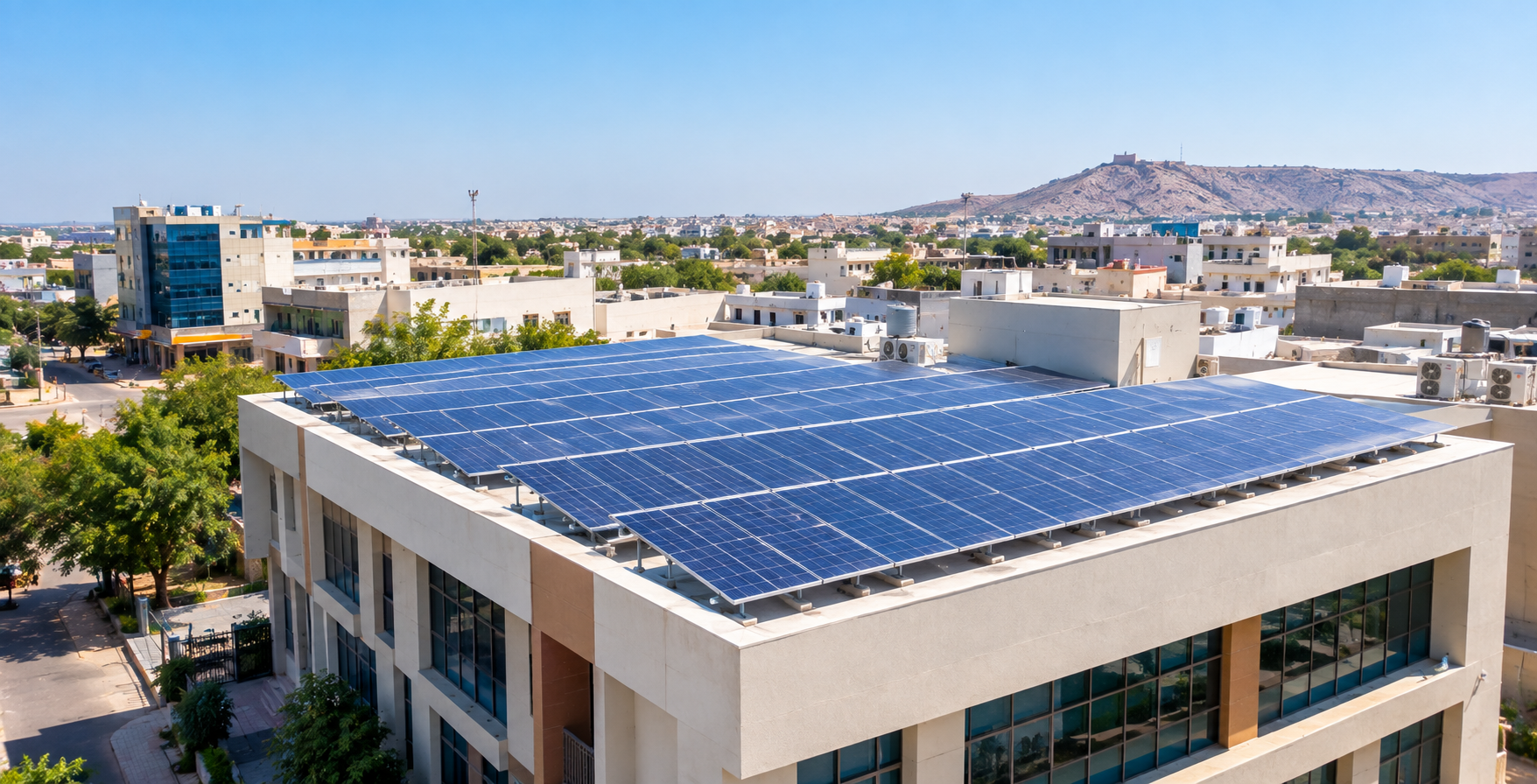
Why Bhuj Is Actually a Strong Solar Market, Not Just a Sunny One
It's easy to assume that because Bhuj gets excellent sunlight, any installer will deliver good results. That's a mistake. Kutch's high ambient temperatures accelerate component wear faster than in cooler regions, dust accumulation is a near-constant factor given the arid landscape, and the occasional coastal humidity drifting in from nearby areas adds corrosion risk that generic equipment and generic design simply aren't built to handle.
A solar company in Bhuj that understands these local conditions designs differently from one that's just applying a standard template built for a milder climate elsewhere in the country. That difference shows up years later, not on day one, which is exactly why it's easy to overlook during the sales conversation and expensive to discover afterward.
What Actually Makes a Company "the Best" in This Market
"Best" gets thrown around loosely in every local search result, so it's worth defining what it should actually mean before you start comparing quotes.
Track Record With Projects Similar to Yours
A company that's installed hundreds of small residential systems isn't necessarily equipped to handle a MW-scale industrial plant, and the reverse is also true. Ask specifically for examples of projects comparable in scale and type to what you're planning, not just a general portfolio.
Transparent, Itemized Pricing
A top solar company in Bhuj should be able to break down exactly what you're paying for: panels, inverters, mounting structure, labor, and any additional balance-of-system components, rather than handing over a single bundled number that makes it hard to compare against a competing quote.
Post-Installation Support Structure
This is the piece most buyers underweight during the decision process. What happens if an inverter fails in year six? Who answers the call, how fast do they respond, and do they have local technicians or is support routed through a distant call center with no physical presence in Kutch.
What to Check Before You Sign Anything
1. Verify Their EPC Credentials, Not Just Their Sales Pitch
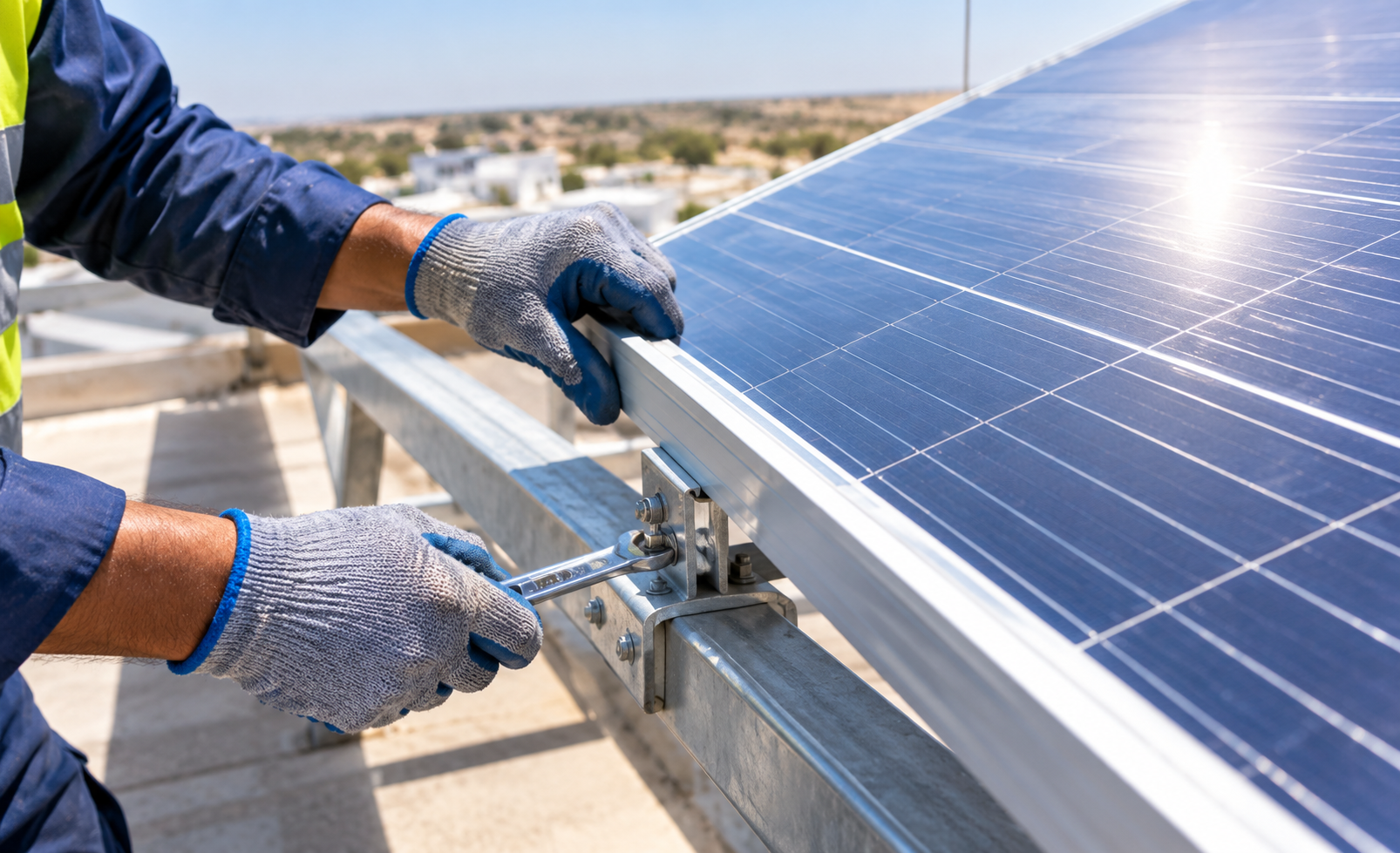
Any company can claim to be a full-service provider. A genuine best solar EPC company handles engineering, procurement, and construction under one accountable team, which means design decisions, component sourcing, and physical installation are all coordinated by people who understand how each stage affects the next. Ask directly whether the company you're evaluating handles all three stages internally or subcontracts pieces of the work out to third parties with no shared accountability.
2. Ask for References You Can Actually Call
A portfolio page with photos is easy to produce. A list of real clients willing to speak about their experience, including how the company handled problems after installation, not just how smoothly things went on a good day, tells you considerably more.
3. Understand the Warranty Terms in Detail
Panel warranties typically run 25 years, and inverter warranties shorter, but the terms attached to those warranties vary significantly between manufacturers and installers. Ask what's actually covered, what voids the warranty, and whether the installer has a documented history of successfully helping clients file claims when something goes wrong.
4. Confirm They Design for Local Conditions, Not a Generic Template
This is where the conversation should go beyond price entirely. Ask how panel spacing accounts for local shading patterns, how electrical design minimizes resistive losses given Kutch's heat, and whether mounting hardware is rated for the area's specific dust and occasional humidity exposure.
5. Review the Maintenance Plan Before, Not After, Installation
A best solar service provider in Bhuj should be able to explain their maintenance program in detail before you sign anything, not hand you a vague promise of "ongoing support" that turns out to mean very little once the contract is finalized.
Residential Solar in Bhuj: What Homeowners Should Know
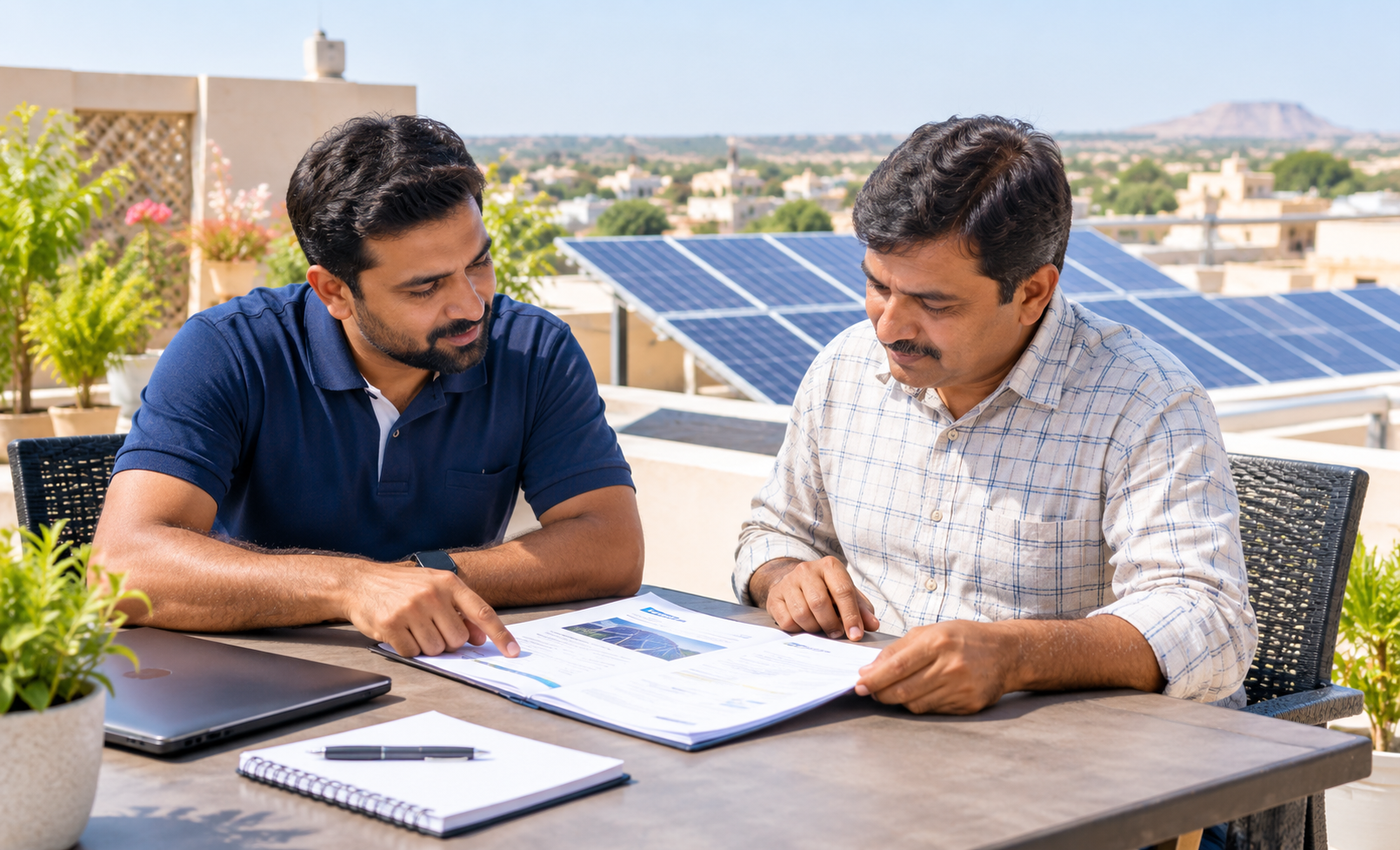
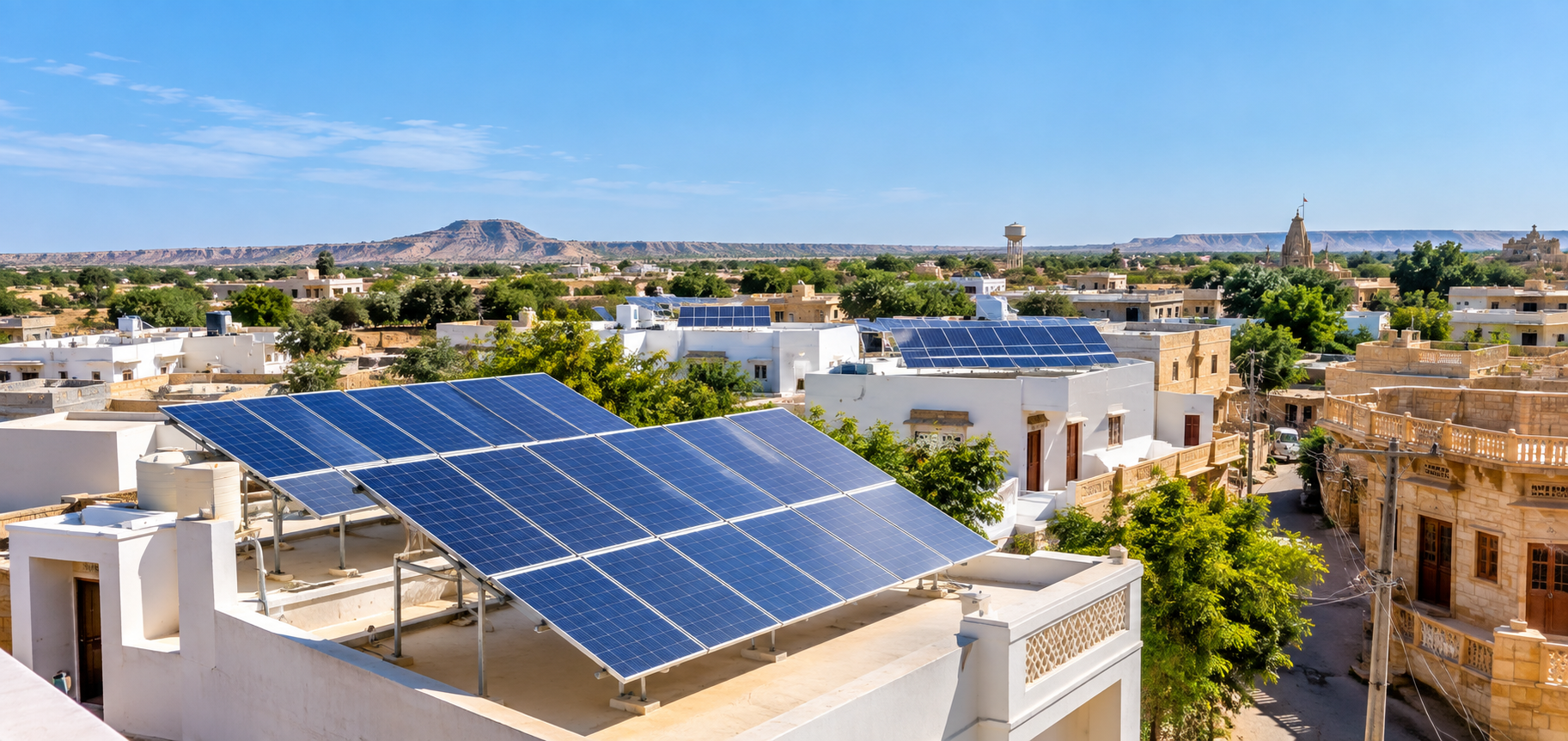
For most homeowners in Bhuj, the appeal of going solar is straightforward: lower electricity bills and reduced dependence on an increasingly unpredictable grid tariff structure. Residential solar in Bhuj typically starts with a site assessment that looks at roof orientation, available unshaded area, and your household's actual consumption pattern, not just a rough estimate based on your last electricity bill.
A properly sized residential system, paired with available subsidy support under schemes like PM Surya Ghar, often brings the effective monthly cost close to, or below, what a household was already paying for grid electricity. The payback period for most residential systems in a high-irradiance area like Bhuj tends to be considerably shorter than homeowners initially expect, assuming the system was sized and installed correctly in the first place.
What trips up many residential buyers isn't the technology, it's the installer. A rushed installation, an undersized system that doesn't match actual consumption, or mounting hardware not suited to local weather conditions can all turn a promising investment into years of underwhelming performance.
Commercial Solar: What Businesses in Bhuj Need to Consider
Bhuj's commercial sector, from retail establishments to hospitality properties to mid-sized offices, faces a different set of priorities than residential buyers. Commercial solar in Bhuj decisions typically hinge on matching system size to actual business load patterns, since commercial consumption often varies significantly by time of day and season in ways that a simple annual estimate doesn't capture.
Businesses also tend to care more about predictable, budgetable energy costs than homeowners do, since energy expenses directly affect operating margins. A well-designed commercial system, sized against actual hourly consumption data rather than a rough projection, can meaningfully stabilize a business's energy costs against rising grid tariffs over the system's operating life.
Financing structures for commercial solar also look different from residential ones, often involving term loans or capital expenditure financing tied to the system's expected generation and savings, rather than a straightforward consumer loan.
Industrial Solar: A Different Scale of Decision Entirely
For manufacturing units, processing facilities, and larger industrial operations around Bhuj, solar decisions operate at a different scale and complexity altogether. Industrial solar in Bhuj typically means either a large rooftop installation across factory sheds or a dedicated ground-mounted captive power plant, depending on available space and the facility's total load requirement.
Industrial buyers need to think through grid interconnection requirements, potential curtailment exposure, and how a solar installation integrates with existing power infrastructure, none of which a smaller residential or commercial installer is necessarily equipped to handle well. This is where the distinction between a provider that occasionally does larger projects and one that specializes in industrial-scale execution actually matters.
A poorly planned industrial solar installation doesn't just underperform, it can represent a genuinely significant financial miscalculation given the capital involved, which is exactly why due diligence on the installer's industrial track record deserves extra scrutiny at this scale.
What Rooftop Solar Specifically Involves in Bhuj's Climate
Rooftop solar in Bhuj carries its own set of considerations distinct from ground-mounted systems. Roof structural capacity needs to be properly assessed before any installation begins, confirming the existing structure can bear the additional load of panels and racking under both normal conditions and higher wind loads that occasionally occur in the region.
Heat is the other major factor. Rooftop surfaces in Bhuj can reach considerably higher temperatures than ambient air during peak summer months, which affects both panel efficiency and the long-term durability of mounting hardware and cabling if these aren't properly specified for the conditions. A best solar rooftop company in Bhuj accounts for this during design rather than discovering it as a maintenance issue years later.
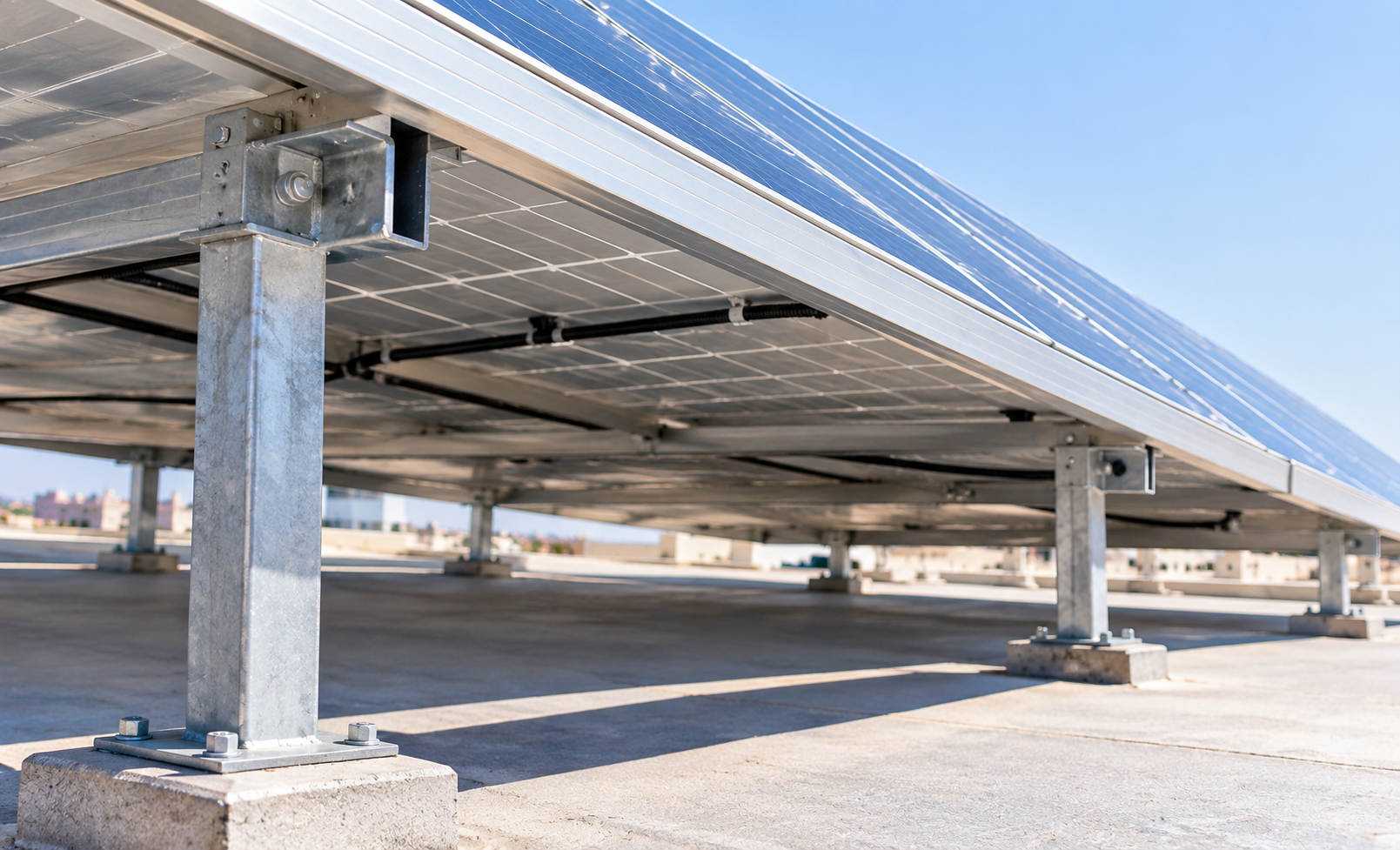
Proper ventilation beneath the panel array, appropriate spacing from the roof surface, and heat-resistant cabling all matter more here than they would in a cooler climate, and these are exactly the kinds of details that separate a well-executed rooftop installation from one that technically works but underperforms its potential.
What the Solar Installation Process Actually Looks Like
Understanding the sequence of solar installation in Bhuj providers typically helps set realistic expectations before committing to a contract.
Site Assessment and Design
A proper site visit evaluates roof or land condition, shading patterns across different times of day and seasons, and your actual electricity consumption, forming the basis for a system design matched to your specific situation rather than a generic template.
Permitting and Documentation
Depending on system size and whether grid connection is involved, this stage includes necessary approvals from the local DISCOM and any applicable subsidy paperwork, which needs to be handled carefully to avoid the kind of documentation delays that can stall a project for weeks.
Procurement and Equipment Delivery
Components get ordered and delivered to site, with lead times varying depending on whether standard inventory items or more specialized equipment is involved.
Physical Installation
Mounting structure installation, panel placement, and electrical wiring typically take anywhere from a few days for a residential system to several weeks for a larger commercial or industrial project, depending on scale and complexity.
Testing and Commissioning
Before the system goes live, it goes through testing to confirm everything is functioning correctly, followed by final grid connection approval where applicable.
Red Flags to Watch For During the Sales Process
A few warning signs tend to show up consistently when a provider isn't the right fit, regardless of how polished their initial pitch sounds.
Pricing that seems significantly below every other quote without a clear explanation of what's being cut to hit that number
Reluctance to provide references or examples of completed projects similar to yours
Vague answers about warranty terms or post-installation support when asked directly
Pressure to sign quickly without time to properly compare quotes or verify credentials
No clear explanation of how the system is designed specifically for Bhuj's climate conditions, versus a generic answer that could apply anywhere
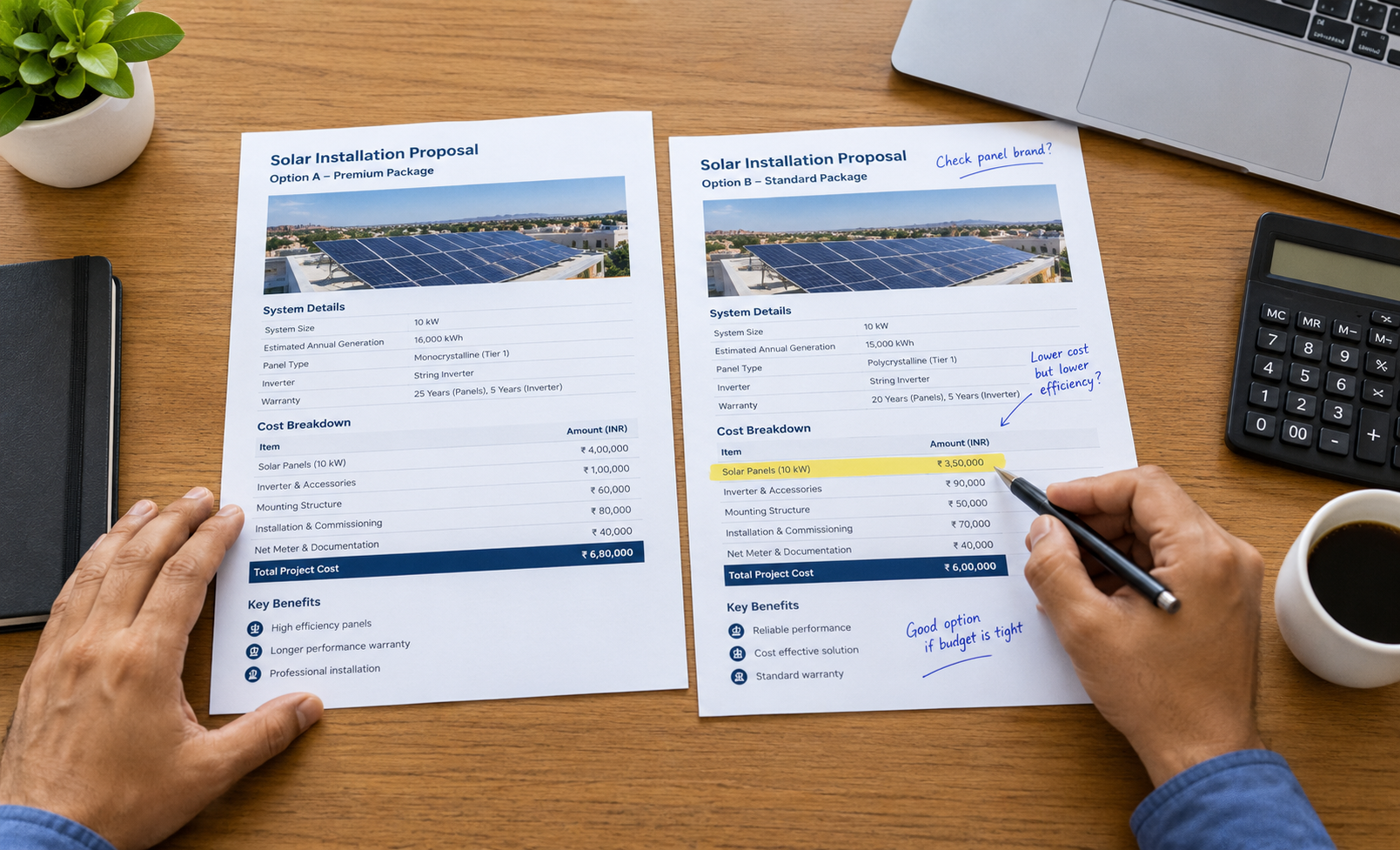
Questions Worth Asking Every Provider You're Considering
Before signing with any installer, running through a consistent set of questions across every quote you're comparing makes the differences between providers much clearer than comparing price alone.
How many years has your company been operating specifically in Kutch, and can you share examples of projects similar in scale to mine?
What's your typical response time for a service call if something goes wrong after installation?
Are your design decisions, like panel spacing and electrical architecture, specifically adjusted for Bhuj's climate, and how?
What exactly is covered under warranty, and have you successfully helped clients file claims before?
Who handles maintenance going forward, your company directly or a separate subcontracted provider?
Conclusion
Finding the right solar provider in Bhuj isn't about picking whichever name shows up first in a search result or whichever quote comes in lowest. It's about verifying track record, understanding exactly what's being installed and why, and confirming that support will actually be there years down the line when it matters most. Whether you're a homeowner weighing a rooftop system, a business owner planning a commercial installation, or managing a larger industrial facility, the questions and checks outlined here apply the same way: look past the pitch and verify the substance behind it.
White Desert Power Projects has delivered residential, commercial, and industrial solar installations across Kutch, including in and around Bhuj, with design and execution built specifically around the region's heat, dust, and humidity conditions rather than a generic approach imported from elsewhere.
If you're comparing solar providers in Bhuj and want a straightforward, transparent conversation about what your specific property or business actually needs, talk to White Desert Power Projects about a site assessment and a proposal built around your situation, not a generic template.